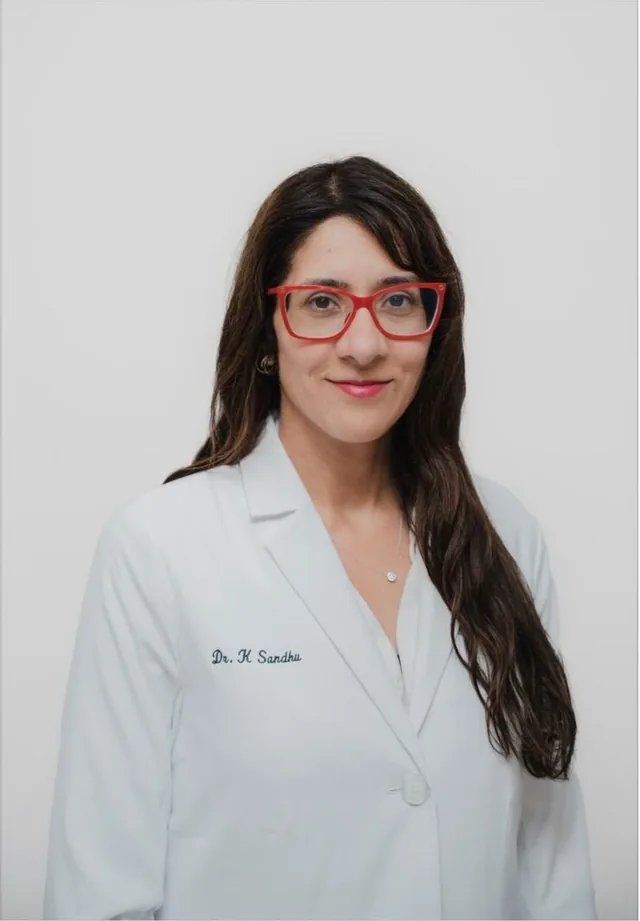
Dr. Kernjeet Kaur Sandhu, MD · Addictions Consultant
Change begins with you.
Addiction has moved into Punjabi homes on both sides of the world - and shame keeps most families silent. For over twenty years I have worked with the people inside that silence: the person using, and the family holding everything together around them.
Hospital consultancies - Health Sciences Centre & St. Boniface, Winnipeg
10+
Camps, forums and lectures across Punjab and Canada
3
Languages - consultations in Punjabi, Hindi and English
What we are up against
A crisis that arrived quietly, and stayed
Punjab did not wake up one morning to an addiction epidemic. It arrived village by village, household by household - and it is now following Punjabi families to Canada, the UK and beyond.
Heroin, cocaine and synthetic opioids
What used to be alcohol and opium is now heroin and lab-made synthetics that are stronger and far less forgiving. Tolerance builds fast; overdose risk is unpredictable.
Families carrying it alone
Parents sell land. Wives cover for husbands. Siblings stop speaking. The family is usually exhausted long before anyone picks up a phone - and they need care of their own, not just advice.
Stigma that delays treatment
“Lok Ki Kehnge” - what will people say - costs lives. Addiction gets treated as a moral failure instead of a treatable medical condition, so help arrives years late, if at all.
Who you will be speaking to
Dr. Kernjeet Kaur Sandhu, MD
I was born in Winnipeg to parents who came from Punjab. I learned Punjabi so I could speak properly with my family back home - and it is the reason I can now sit with a mother in a village outside Tarn Taran, or a father in a Brampton living room, and have a real conversation instead of a translated one.
A trip to India in 1992 showed me what happens when a whole region has no reliable access to care. I went into medicine because of it. Today I work as an addictions consultant in private practice, consult with Health Sciences Centre and St. Boniface Hospital in Winnipeg, and return to Punjab every year to run camps and awareness work.
MD, with medical residency completed in the United States
Addictions consultant in private practice, Winnipeg
Consultant, Health Sciences Centre & St. Boniface Hospital
Annual health and addiction work across rural Punjab
Whether you are the one using, the one worrying, or the one organising a community response - there is a door here for you.
For individuals & families
Addiction consultation
Confidential, judgement-free assessment and guidance for the person using and for the family around them - in Punjabi or English, whichever lets you say what you actually mean.
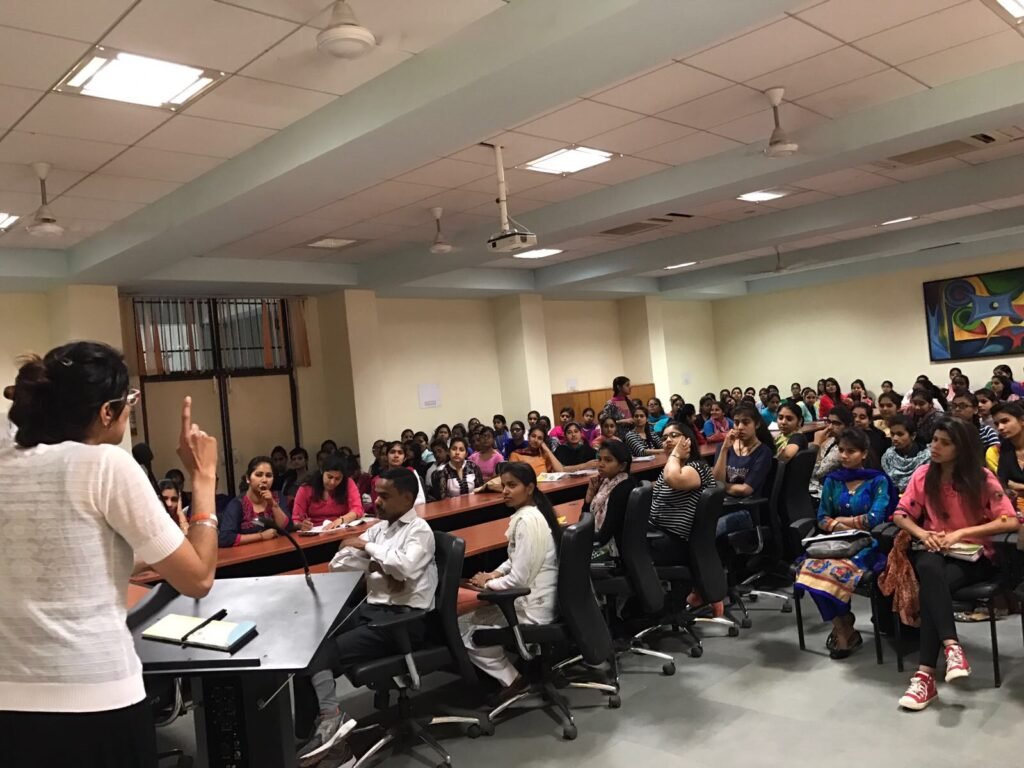
Lectures, seminars and media in Punjabi and English - colleges in Amritsar and Chandigarh, community organisations in Brampton, radio in Winnipeg, legislative grounds on 26 June.
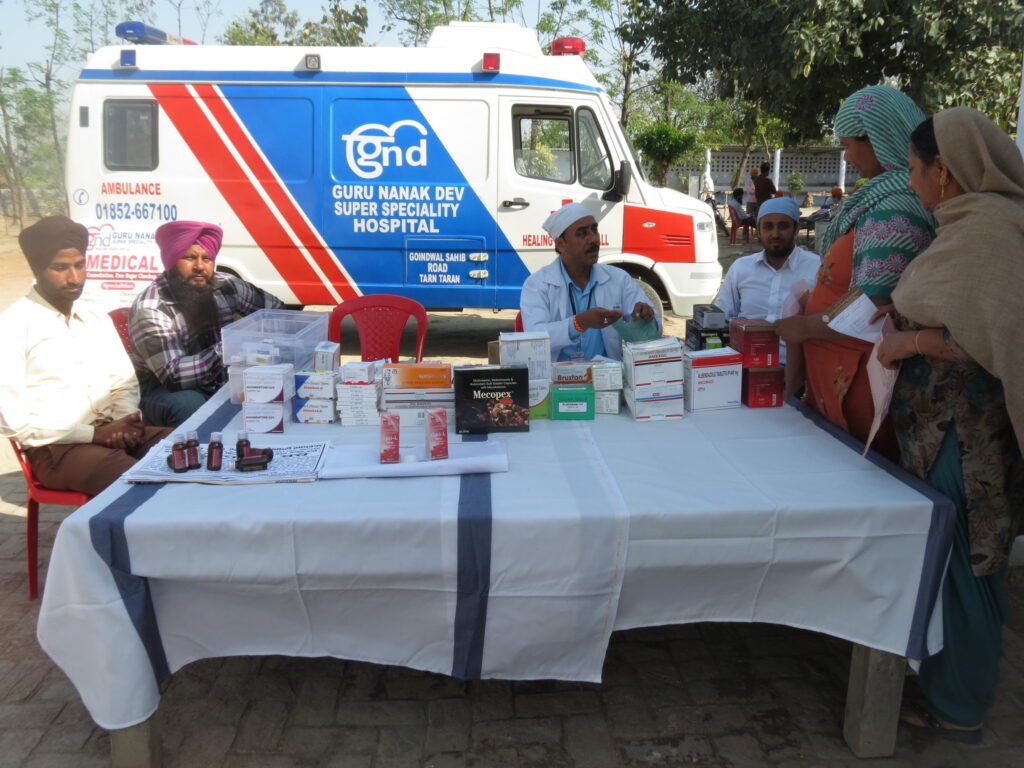
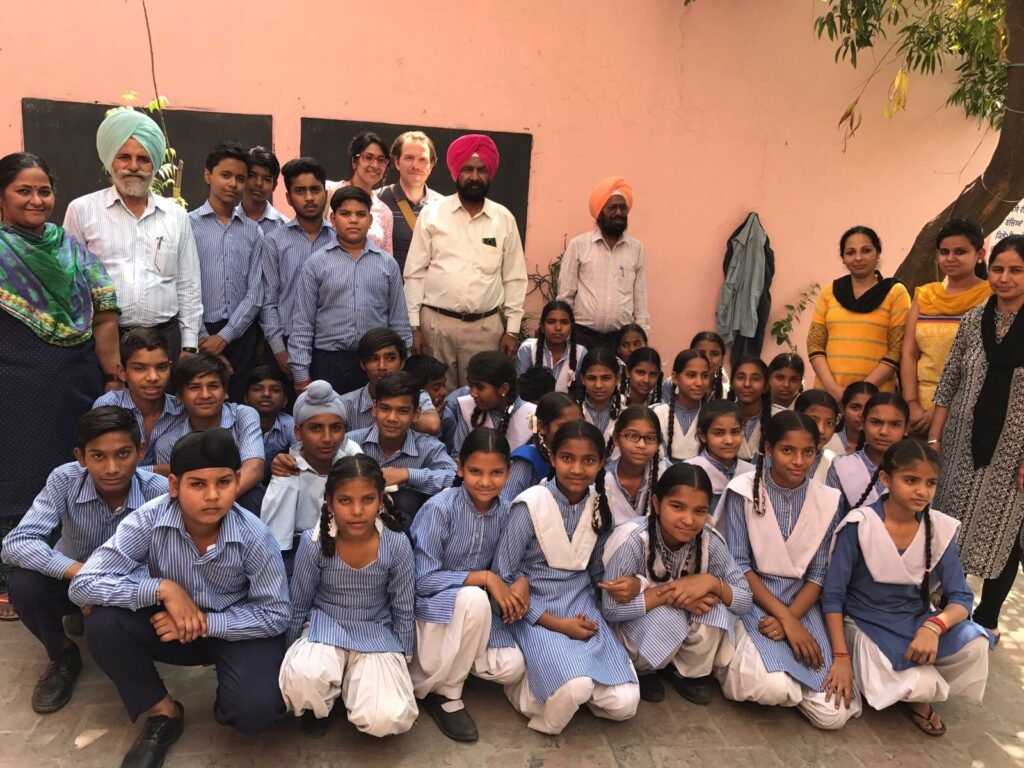
Free medical camps, blood pressure and blood sugar screening, medication, school visits and connectivity projects - run with local hospitals and volunteers.
The mentality and behaviour of drug addicts and alcoholics is wholly irrational until you understand that they are completely powerless over their addiction.
Russell Brand
On the ground
Recent projects
From village camps in Tarn Taran to lecture halls in Chandigarh and radio studios in Winnipeg.
September 2019 · Winnipeg
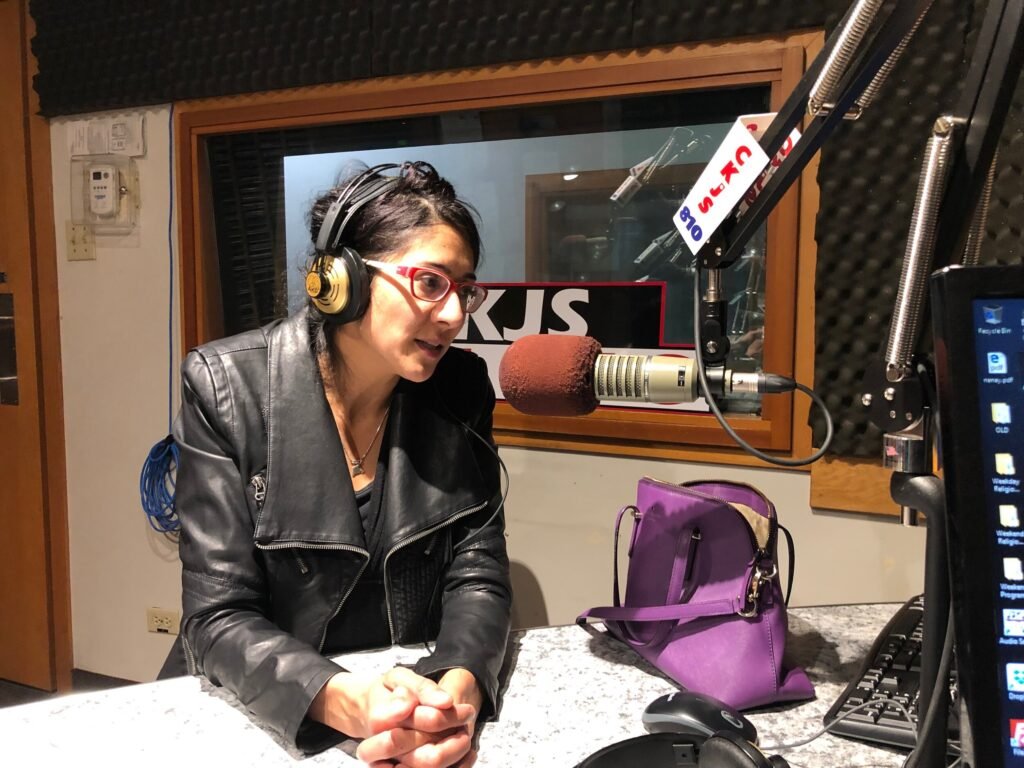
CKJS radio, in Punjabi
A full broadcast in Punjabi on the addictions seen in practice and the role of an addictions consultant in a hospital setting.
Most people who contact me open with some version of “I don’t even know if this counts as a problem.” It counts. If you would rather read before you reach out, the resources page lists vetted Punjabi-language services, treatment programmes and family support - with a plain description of who each one is actually for.
If someone is unresponsive, has stopped breathing, or is at immediate risk of harming themselves, call your local emergency number now - 911 in Canada and the USA, 112 in India. This website is health information, not emergency care.